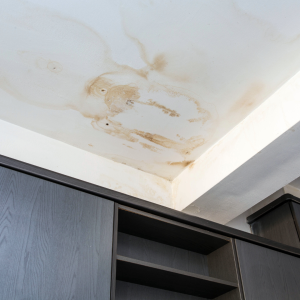
water damage caused by roof leak
It often starts small. Maybe you notice a water stain on the ceiling, a drip during a storm, bubbling paint near a wall, or a musty smell in the attic. At first, it may seem like a minor issue. But a roof leak rarely stays minor for long.
Water has a way of traveling through a roofing system and showing up far from the actual source of the problem. What looks like a small ceiling stain may actually be caused by damaged shingles, failing flashing, a cracked pipe boot, worn-out valleys, or storm damage higher up on the roof. If left alone, even a small roof leak can lead to bigger and more expensive problems like damaged insulation, rotting wood, ruined drywall, mold growth, and structural deterioration.
For homeowners in Gallatin and throughout Middle Tennessee, a roof leak is not something to put off until later. Heavy rain, wind, hail, humidity, and seasonal weather swings can all make roof problems worse over time. That is why acting quickly matters. The faster you identify the cause of a roof leak and get it addressed, the better chance you have of limiting damage and protecting your home.
At 4 Elements Renovations, we help homeowners find the source of a roof leak, stop further water intrusion, and decide whether a repair or replacement is the best next step. If you are searching for answers about a roof leak, this guide will walk you through the most common causes, signs to watch for, what happens if you ignore it, and when it is time to call a professional roofing contractor.
What Is a Roof Leak?
A roof leak happens when water gets past your roofing system and enters areas of your home where it should not be. While that sounds simple, the problem is that roof leaks are not always straightforward. Water does not always drip straight down from the point of entry. It can travel along decking, rafters, insulation, underlayment, and framing before it becomes visible inside your home.
That means the place where you see a stain or drip may not be the place where the roof leak actually started. In many cases, homeowners assume the problem is directly above the visible damage, only to find out that the leak began around a vent pipe, chimney, flashing detail, or damaged shingle much farther up the roof.
This is one of the reasons roof leak detection can be tricky. A leaking roof is not always obvious from the outside, and some leaks only show up during certain wind directions or heavy storms. That is why a full inspection matters. Proper diagnosis is just as important as the repair itself.
Common Signs of a Roof Leak
Not every roof leak looks dramatic right away. Sometimes the signs are subtle at first. Catching them early can help prevent more severe damage and more expensive repairs later.
Some of the most common signs of a roof leak include:
-
Water stains on ceilings or walls
-
Bubbling, peeling, or discoloration in paint or drywall
-
Dripping water during or after a storm
-
Damp attic insulation
-
Musty smells in upper rooms or attic spaces
-
Mold or mildew growth
-
Sagging drywall or soft spots in the ceiling
-
Missing shingles visible from the ground
-
Water marks around chimneys, skylights, or vent areas
If you notice any of these warning signs, do not assume the issue will go away on its own. A roof leak can continue to damage materials long after the storm has passed, especially if moisture remains trapped inside the home.
What Causes a Roof Leak?
There are many potential causes of a roof leak, and some are more obvious than others. Roofing systems are made up of several different components, and a failure in any one of them can allow water to get in.
Damaged or Missing Shingles
One of the most common reasons for a roof leak is damaged or missing shingles. Asphalt shingles are designed to shed water, but if they are cracked, curled, torn, lifted, or blown off by wind, the roof becomes more vulnerable to water intrusion.
Once shingles are compromised, rain can work its way underneath the exposed area and into the layers below. This is especially common after storms with strong wind or hail.
Flashing Failure
Flashing is the material installed around roof penetrations and transitions, such as chimneys, pipe vents, skylights, wall intersections, and valleys. Its job is to direct water away from the most vulnerable parts of the roof.
If flashing is rusted, loose, improperly installed, or pulling away from the roof, it can create a direct path for water to enter. Many persistent roof leak issues are caused by flashing problems rather than the field shingles themselves.
Pipe Boot Failure
A pipe boot is the material that seals around plumbing vent pipes that come through the roof. Over time, the rubber collar on a pipe boot can dry out, crack, or separate due to sun exposure and weather.
This is a very common source of a roof leak and one that homeowners often miss because the damage may look small from the ground while allowing a surprising amount of water inside.
Roof Valley Problems
Roof valleys handle large amounts of runoff because they collect water from multiple roof slopes. If a valley is poorly installed, worn out, or damaged, water can back up or penetrate the roofing system during heavy rain.
Because valleys manage concentrated water flow, even a small weakness here can lead to a significant roof leak.
Chimney Issues
Chimneys are another frequent source of roof leaks. The issue may come from chimney flashing, cracked masonry, failed sealant, or deterioration around the cap. Water can enter through several different points around a chimney and then show up inside the home in ways that make the source hard to trace.
Clogged Gutters
Many people do not think of gutters when they think about a roof leak, but clogged gutters can absolutely contribute. When gutters are packed with debris, water can back up along the roof edge and push under shingles or fascia components. Overflow can also affect soffits, siding, and the areas around roof lines.
General Aging and Wear
Sometimes a roof leak is simply the result of an aging roof system. As a roof gets older, shingles lose granules, sealants dry out, flashing weakens, fasteners loosen, and underlayment becomes more vulnerable. If your roof is near the end of its life, a leak may be a sign of broader wear rather than an isolated issue.
Why a Roof Leak Should Never Be Ignored
A roof leak is not just a roof problem. It can quickly become a whole-house problem.
When water enters a home, it can damage much more than the roofing materials themselves. Ceiling drywall, insulation, framing, flooring, trim, and electrical systems can all be affected. Moisture can also create conditions that support mold growth, which adds another layer of concern and cost.
Here are just a few things a roof leak can lead to if it is ignored:
-
Rotting roof decking
-
Damaged rafters or framing
-
Ruined attic insulation
-
Stained or collapsed ceilings
-
Mold and mildew growth
-
Damaged interior walls
-
Electrical hazards
-
Higher repair costs over time
What begins as a small stain can eventually become a major repair involving both exterior and interior restoration. That is why homeowners should treat a roof leak as urgent, even if it seems manageable at first.
How Roof Leak Detection Works
One of the most frustrating things about a roof leak is that the source is not always obvious. Water often travels before it shows up, so proper detection requires more than just looking at the spot where the damage appears inside.
A professional roof inspection for a roof leak often includes:
-
Checking the condition of shingles
-
Inspecting flashing around chimneys, vents, skylights, and walls
-
Looking for lifted shingles or exposed fasteners
-
Examining roof valleys
-
Inspecting attic spaces for moisture trails and staining
-
Checking insulation condition
-
Looking at ventilation and airflow
-
Evaluating gutters and drainage patterns
A good inspection focuses on the roofing system as a whole, not just the visible symptom. Patching the wrong area may temporarily hide the problem while the actual roof leak continues elsewhere.
Can a Roof Leak Be Repaired?
Yes, many roof leaks can be repaired. But whether repair is the right choice depends on the age of the roof, the extent of the damage, and whether the leak is isolated or part of a bigger issue.
A repair may make sense if:
-
The roof is otherwise in good condition
-
The leak is coming from a localized issue
-
Storm damage is limited to one area
-
The surrounding roofing materials still have good life left
A replacement may make more sense if:
-
The roof is older and nearing the end of its lifespan
-
There are multiple roof leaks
-
Shingles are brittle, curling, or failing in several areas
-
The roof has widespread storm damage
-
Previous repairs have not solved the problem
An honest inspection is important here. Not every roof leak means you need a full roof replacement. But not every roof is worth continuing to patch, either.
What to Do If You Notice a Roof Leak
If you discover a roof leak, taking the right steps can help protect your home and make the repair process smoother.
1. Protect the Interior
Move furniture, rugs, electronics, or valuables away from the area if possible. Use a bucket or container to catch dripping water. If the ceiling is bulging from trapped water, be cautious, because saturated drywall can fail.
2. Document the Damage
Take pictures of the stain, leak, or visible damage. If a storm caused the issue, photos can help support an insurance claim.
3. Do Not Climb on the Roof
Wet roofs are dangerous. Storm damage can also make the surface unstable. It is better to stay safe and let a trained roofing professional inspect the roof.
4. Call a Roofing Contractor Quickly
The sooner a roofer can inspect the roof leak, the sooner you can stop the problem from getting worse. Delaying often increases repair costs.
Roof Leak Problems After Storms in Tennessee
In Middle Tennessee, storms are one of the biggest reasons homeowners suddenly discover a roof leak. Wind can lift or remove shingles. Hail can bruise roofing materials and shorten their lifespan. Driving rain can find weak points around flashing, valleys, vents, and roof penetrations.
Sometimes storm damage is obvious right away. Other times, it weakens the roofing system and the leak shows up later during the next heavy rain. That is why a professional inspection after significant weather is a smart move, even if the damage is not immediately dramatic.
Homeowners in Gallatin, Hendersonville, and surrounding areas often deal with roof leaks after seasonal storms, especially when roofs already had some age or wear before the weather event.
The Hidden Costs of a Roof Leak
When people think about a roof leak, they often focus on the visible damage. But the hidden costs can be just as serious.
A roof leak can reduce insulation performance, making your HVAC system work harder. It can weaken wood components over time. It can lead to interior repairs that cost far more than the original roofing fix would have. It can also delay home sales, reduce curb appeal, and make buyers nervous if the issue is discovered during inspection.
In other words, a roof leak is rarely just about the roof. It can affect comfort, energy efficiency, resale value, and peace of mind.
How to Help Prevent a Roof Leak
Not every roof leak can be prevented, especially after severe weather, but there are smart steps homeowners can take to reduce risk.
Schedule Regular Roof Inspections
A professional inspection can catch small problems before they turn into leaks. This is especially helpful after storms or as the roof ages.
Keep Gutters Clean
Clean gutters help water move off the roof properly. When drainage is blocked, water can back up into vulnerable areas.
Watch for Missing Shingles
If you notice missing or damaged shingles from the ground, do not ignore them. Small exposed areas can quickly become leak points.
Check the Attic
An occasional look in the attic can reveal stains, moisture trails, or insulation problems before interior ceiling damage appears.
Address Small Repairs Promptly
Minor issues like loose flashing or pipe boot damage are much cheaper to fix early than after they turn into a larger roof leak.
When a Roof Leak Means It Is Time for a New Roof
Sometimes a roof leak is isolated and repairable. Other times, it is a sign that the roof has entered the stage where replacement is the better investment.
Signs it may be time for a new roof include:
-
Repeated roof leak problems
-
Widespread shingle wear
-
Heavy granule loss
-
Cracked, curling, or brittle shingles
-
Multiple failing roof components
-
Aging materials across the entire roof
-
Storm damage affecting large sections
If your roof has several of these problems at once, continuing to patch it may only delay the inevitable while costing you more over time.
Why Professional Help Matters for a Roof Leak
A roof leak may seem like something that can be solved with a quick patch, but roofing systems are more complex than they look. A professional roofer understands how shingles, underlayment, flashing, ventilation, and drainage all work together.
That matters because the real goal is not just to stop the visible drip for a week. The goal is to identify the actual cause, fix it properly, and protect the rest of the home from future damage.
Working with a trusted contractor also means you get a clearer understanding of whether the roof leak is isolated, storm-related, repairable, or part of a larger roofing issue.
Why Homeowners in Middle Tennessee Call 4 Elements Renovations for a Roof Leak
At 4 Elements Renovations, we help homeowners across Gallatin and Middle Tennessee respond quickly and confidently when a roof leak appears. We understand how stressful water intrusion can be, and we know that homeowners need honest guidance, not guesswork.
Whether your leak is caused by storm damage, worn flashing, missing shingles, pipe boot failure, or age-related deterioration, our team can inspect the roof, explain what is happening, and recommend the right next step. Sometimes that means a targeted repair. Sometimes it means a larger plan. Either way, the goal is to solve the problem the right way.
Final Thoughts on Roof Leak Problems
A roof leak is never something to ignore. Even if the stain seems small or the drip only appears during heavy rain, water intrusion can lead to bigger problems fast. The sooner you respond, the better chance you have of limiting damage, protecting your home, and keeping costs under control.
If you are seeing signs of a roof leak in Gallatin or anywhere in Middle Tennessee, now is the time to act. A professional inspection can help you find the true source of the problem, understand your options, and stop the damage before it spreads.
When it comes to a roof leak, fast action matters. The right repair at the right time can save your roof, your interior, and your budget from a much bigger problem later.